
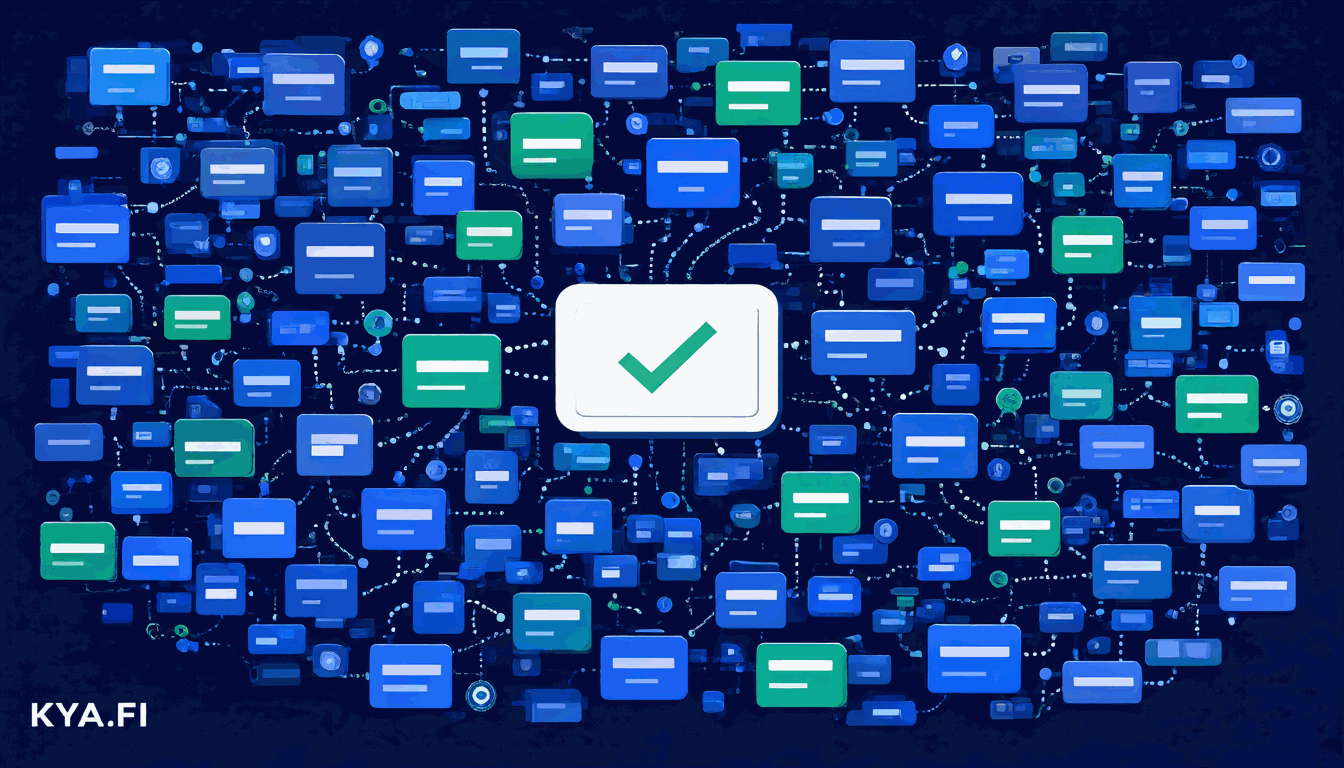
Non-human identity (NHI) is identity for actors that are not people — services, workloads, bots, scripts, and AI agents. It is the umbrella category that contains machine identity and agent identity.
Why it matters
Most traffic and most privileged operations now come from software rather than people. The legacy answer — a shared password or API key baked into configuration — cannot be scoped, rotated safely, or attributed to a specific actor. NHI gives each non-human actor its own distinct, verifiable and revocable identity, so access can be granted under least privilege and audited afterwards. You cannot authorise, monitor or revoke what you cannot identify.
The established vocabulary
The standards vocabulary is older than the marketing term. NIST’s glossary defines the Non-Person Entity (NPE) — a term referenced from NIST SP 800-162 (attribute-based access control) and SP 800-207 (zero trust architecture). “Non-human identity” is the industry umbrella label for the same class of actor; treat the two as synonyms unless a document defines them otherwise.
This sits alongside NIST SP 800-63-4, the digital identity guidelines, which set out assurance vocabulary for identity proofing and authentication. Those guidelines were written primarily for people and their authenticators; applying the same rigour to running software is the open task NHI has to solve.
From NHI to KYA
NHI is broad; it covers a database service, a CI runner, and an autonomous agent alike. Three nested layers are worth separating:
- Non-human identity — the whole category of non-person actors.
- Machine identity — identity for services and workloads, proving what a piece of software is.
- Agent identity — identity that additionally binds the actor to a principal and a mandate, answering whose agent is it, and what may it do?
KYA operates on the third layer. NHI gives you an inventory and a credential; KYA asks who is accountable for the agent and whether it can be trusted to act.
How it works in practice
Enterprises now inventory non-human identities the way they once inventoried user accounts, because an unmanaged service account is an unmanaged privilege. Vendors have extended human-identity machinery to this space: Microsoft Entra Agent ID gives agents the same identity-driven protections as users and workloads, and the Cloud Security Alliance has begun publishing security guidance for agentic identity. The practical test is whether an identity resolves to an accountable owner and a scoped mandate — not merely to a running process. See Why agent identity is a new problem and What is Know Your Agent?.
Related terms
Sources
- NIST, CSRC Glossary: NPE (Non-Person Entity) (Accessed 2026-10-08)
- NIST, SP 800-207, Zero Trust Architecture (Accessed 2026-10-08)
- NIST, SP 800-162, Guide to Attribute Based Access Control (Accessed 2026-10-08)
- NIST, SP 800-63-4, Digital Identity Guidelines (Accessed 2026-10-08)
- Microsoft, What is Microsoft Entra Agent ID? (Accessed 2026-10-08)
- Cloud Security Alliance, Agentic Identity: Emerging Standards and Security Guidance (Accessed 2026-10-08)
Know Your Agent (KYA) explains agent identity, verification and accountability. This is an explainer, not legal or compliance advice — see our Sources & methodology. New to KYA? Start with What is Know Your Agent? and the glossary.